NVIDIA RTX 50 SUPER Series: Rumored Specs, Performance Upgrades, Release Date, and Everything We Know So Far
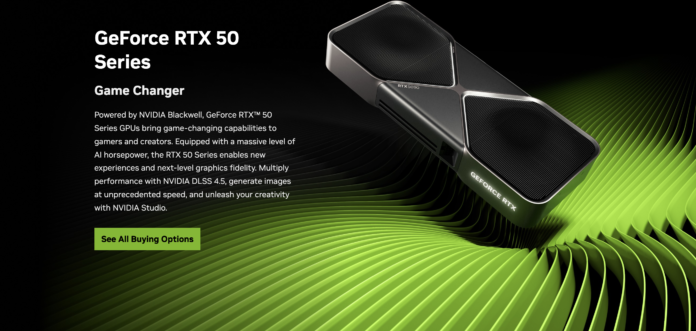
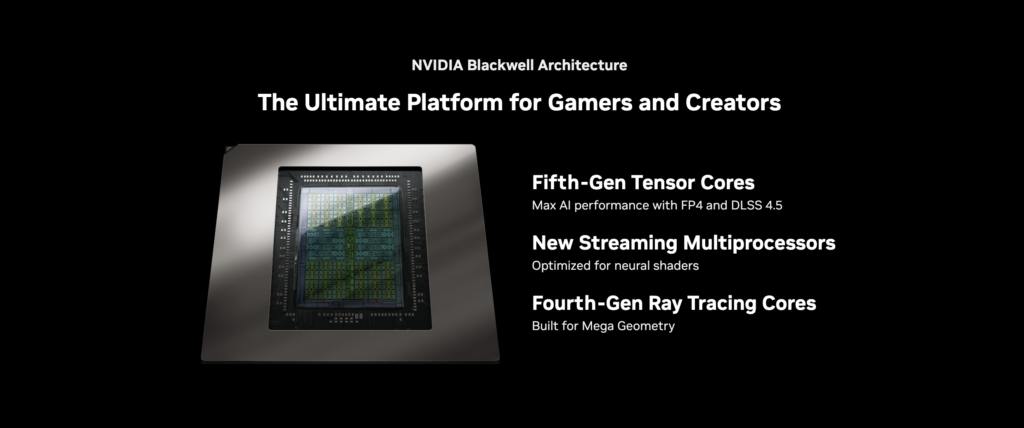
The NVIDIA GeForce RTX 50 Series has already introduced the company’s latest Blackwell architecture to gamers, creators, and AI enthusiasts. Cards such as the RTX 5090, RTX 5080, RTX 5070 Ti, RTX 5070, and RTX 5060 have brought significant improvements in ray tracing, AI-assisted rendering, DLSS 4, and power efficiency. However, recent reports suggest that NVIDIA may not be done with the RTX 50 lineup just yet.
According to multiple industry leaks and reports, NVIDIA is reportedly preparing a refreshed RTX 50 SUPER Series that could arrive later in 2026. While the company has not officially confirmed any SUPER models, several reliable hardware leakers claim that development remains active despite ongoing memory supply challenges.
The most interesting aspect of these rumored GPUs is not necessarily higher CUDA core counts or dramatically faster clock speeds. Instead, the refresh appears to focus on something many gamers and creators have been asking for: more VRAM.
If the rumors prove accurate, the RTX 50 SUPER lineup could offer up to 50% more memory than existing models, making these GPUs significantly more attractive for AI workloads, content creation, 4K gaming, and future-proof PC builds.
In this article, we’ll explore the rumored specifications, expected performance improvements, release date speculation, pricing expectations, and whether it’s worth waiting for the RTX 50 SUPER series.
Why NVIDIA Might Launch RTX 50 SUPER GPUs
Historically, NVIDIA has used the SUPER branding to refresh existing graphics card generations without introducing an entirely new architecture.
The RTX 20 SUPER lineup and RTX 40 SUPER series both served as mid-generation upgrades, delivering better value and improved performance. Rather than redesigning the entire GPU architecture, NVIDIA typically increases memory capacity, unlocks additional CUDA cores, improves clock speeds, or refines power efficiency.
The rumored RTX 50 SUPER refresh follows a similar strategy.
Unlike previous generations, the focus this time appears to be on memory capacity. As modern games continue to demand larger texture pools and AI workloads require increasing amounts of VRAM, many users have criticized some RTX 50 Series models for offering relatively limited memory configurations.
For example:
- RTX 5070 currently ships with 12GB VRAM
- RTX 5070 Ti includes 16GB VRAM
- RTX 5080 offers 16GB VRAM
While these capacities remain sufficient for most gaming scenarios today, workloads involving AI models, machine learning, video production, 3D rendering, and high-resolution gaming can quickly consume available memory.
A SUPER refresh featuring significantly larger VRAM pools could solve that concern.
NVIDIA RTX 50 SUPER Specifications
The following table summarizes the currently rumored specifications of the RTX 50 SUPER lineup compared to existing RTX 50 Series cards.
| GPU Model | Architecture | CUDA Cores | VRAM | Memory Bus | TGP |
|---|---|---|---|---|---|
| RTX 5080 SUPER* | GB203 | 10,752 | 24GB GDDR7 | 256-bit | 415W |
| RTX 5080 | GB203 | 10,752 | 16GB GDDR7 | 256-bit | 360W |
| RTX 5070 Ti SUPER* | GB203 | 8,960 | 24GB GDDR7 | 256-bit | 350W |
| RTX 5070 Ti | GB203 | 8,960 | 16GB GDDR7 | 256-bit | 300W |
| RTX 5070 SUPER* | GB205 | 6,400 | 18GB GDDR7 | 192-bit | 275W |
| RTX 5070 | GB205 | 6,144 | 12GB GDDR7 | 192-bit | 250W |
| RTX 5060 SUPER* | GB206 | TBA | 12GB GDDR7 | 128-bit | TBA |
| RTX 5060 | GB206 | 3,840 | 8GB GDDR7 | 128-bit | 145W |
Rumored specifications. NVIDIA has not officially confirmed these products.
One notable detail is that CUDA core counts appear largely unchanged across most SUPER models. This suggests NVIDIA is prioritizing memory upgrades rather than introducing major architectural changes.
NVIDIA RTX 50 SUPER VRAM Upgrades
The biggest talking point surrounding the RTX 50 SUPER series is undoubtedly VRAM.
Industry reports suggest NVIDIA may begin utilizing new 3GB GDDR7 memory modules instead of the 2GB modules currently used across most RTX 50 Series cards.
This seemingly small change enables significantly larger memory configurations without increasing memory bus width.
Expected VRAM Improvements
| Graphics Card | Standard VRAM | Rumored SUPER VRAM | Increase |
|---|---|---|---|
| RTX 5080 | 16GB | 24GB | +50% |
| RTX 5070 Ti | 16GB | 24GB | +50% |
| RTX 5070 | 12GB | 18GB | +50% |
| RTX 5060 | 8GB | 12GB | +50% |
This increase could be particularly valuable for:
- AI image generation
- Local LLM workloads
- Unreal Engine development
- Blender rendering
- 8K video editing
- High-resolution texture packs
- Future AAA games
As games become increasingly dependent on high-resolution assets and AI-enhanced rendering techniques, VRAM capacity is becoming more important than ever.
How 3GB GDDR7 Modules Could Change the Market
The rumored memory upgrade is possible because memory manufacturers have started producing higher-density GDDR7 chips.
Traditionally, consumer graphics cards used 1GB or 2GB memory modules. Moving to 3GB GDDR7 modules allows NVIDIA to increase memory capacity without redesigning the PCB or changing the memory bus architecture.
For example:
- RTX 5070 currently uses six 2GB modules for 12GB total
- RTX 5070 SUPER could use six 3GB modules for 18GB total
Similarly:
- RTX 5080 currently uses eight 2GB modules for 16GB total
- RTX 5080 SUPER could use eight 3GB modules for 24GB total
This approach enables a substantial VRAM increase while maintaining the same GPU die and memory interface.
NVIDIA RTX 50 SUPER Performance Expectations
Many gamers expect the SUPER refresh to deliver dramatic performance improvements. However, based on available information, gains may be more modest in traditional gaming benchmarks.
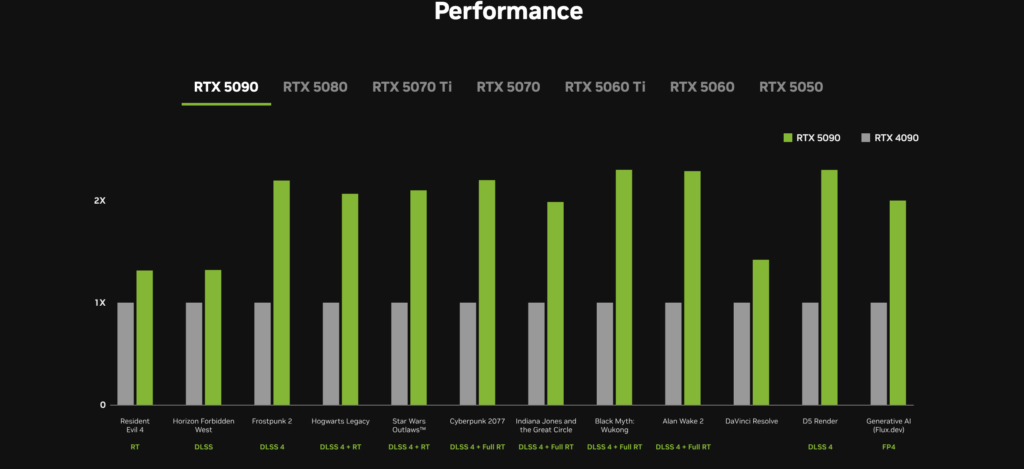
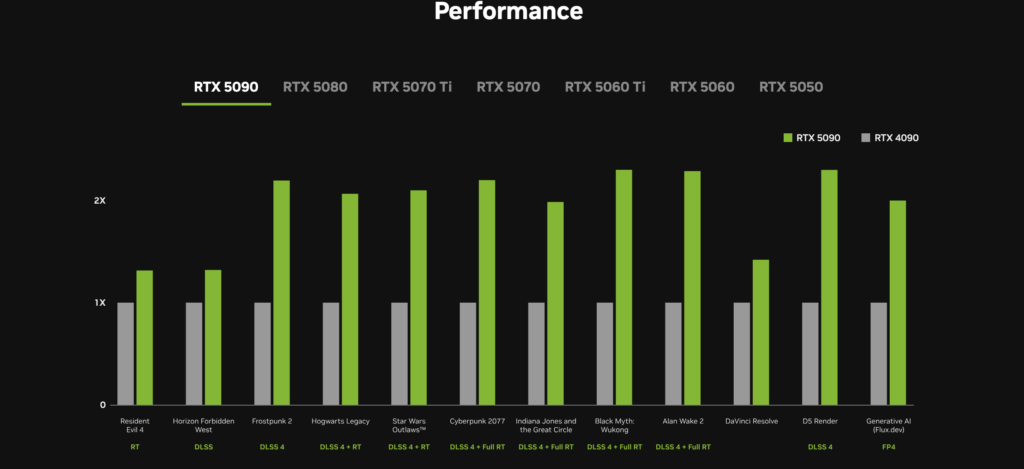
Since CUDA core counts appear mostly unchanged, raw rasterization performance is unlikely to increase dramatically.
Instead, benefits will likely come from:
- Reduced memory bottlenecks
- Better 4K gaming consistency
- Improved AI workloads
- Larger texture handling
- Enhanced creator performance
- Improved future-proofing
Estimated Performance Improvements
| GPU | Estimated Gaming Improvement | AI & Creator Workloads |
|---|---|---|
| RTX 5080 SUPER | 5–10% | 20–40% improvement in large AI models |
| RTX 5070 Ti SUPER | 5–10% | Significant gains in content creation |
| RTX 5070 SUPER | 5–12% | Better 4K editing and AI workflows |
| RTX 5060 SUPER | 5–15% | Improved texture-heavy gaming |
For most gamers, the additional VRAM may matter more than raw frame-rate increases.
RTX 5080 SUPER vs RTX 5080
Among all rumored models, the RTX 5080 SUPER may generate the most excitement.
The standard RTX 5080 already delivers exceptional 4K gaming performance, but some enthusiasts have questioned whether 16GB VRAM is enough for long-term use.
The rumored RTX 5080 SUPER addresses this directly by increasing memory capacity to 24GB.
RTX 5080 SUPER vs RTX 5080
| Specification | RTX 5080 SUPER | RTX 5080 |
|---|---|---|
| CUDA Cores | 10,752 | 10,752 |
| VRAM | 24GB | 16GB |
| Memory Type | GDDR7 | GDDR7 |
| Bus Width | 256-bit | 256-bit |
| Power Draw | 415W | 360W |
The additional 8GB could significantly improve performance in AI workloads, large-scale rendering projects, and future high-resolution gaming scenarios.
RTX 5070 Ti SUPER vs RTX 5070 Ti
The RTX 5070 Ti SUPER appears to follow a similar formula.
Rather than increasing compute power, NVIDIA may focus on expanding memory from 16GB to 24GB.
This upgrade could make the card especially appealing to creators who need additional memory but don’t want to invest in flagship-class GPUs.
Potential use cases include:
- Professional video editing
- AI-assisted workflows
- CAD design
- Architectural visualization
- Game development
For many professionals, the extra VRAM could be more valuable than higher clock speeds.
NVIDIA RTX 50 SUPER Price in India (Expected)
While NVIDIA has not officially announced the GeForce RTX 50 SUPER lineup, industry reports suggest the company may introduce refreshed models with significantly larger VRAM capacities. Because these GPUs are still rumored, pricing remains speculative. However, based on current RTX 50 Series pricing, previous SUPER refresh launches, import duties, GST, and partner card premiums, we can estimate a likely price range for India.
The RTX 50 SUPER series is expected to command a premium over standard RTX 50 models, primarily due to the use of higher-capacity GDDR7 memory modules. The ongoing demand for memory chips from AI and data-center markets could also contribute to higher launch prices.
NVIDIA RTX 50 SUPER Expected Price in India
| Graphics Card | Expected US Price | Expected Price in India |
|---|---|---|
| RTX 5080 SUPER | $1,199 – $1,399 | ₹1,15,000 – ₹1,45,000 |
| RTX 5070 Ti SUPER | $899 – $999 | ₹88,000 – ₹1,10,000 |
| RTX 5070 SUPER | $649 – $749 | ₹68,000 – ₹85,000 |
| RTX 5060 SUPER (12GB) | $349 – $449 | ₹38,000 – ₹52,000 |
Prices are estimated based on current RTX 50 Series positioning, currency conversion rates, import costs, taxes, and board-partner pricing trends. Actual pricing may differ at launch.
NVIDIA RTX 50 SUPER Price Comparison
| GPU | Standard Model Price (Approx.) | SUPER Model Expected Price |
|---|---|---|
| RTX 5080 | ₹1,05,000 – ₹1,20,000 | ₹1,15,000 – ₹1,45,000 |
| RTX 5070 Ti | ₹78,000 – ₹90,000 | ₹88,000 – ₹1,10,000 |
| RTX 5070 | ₹58,000 – ₹68,000 | ₹68,000 – ₹85,000 |
| RTX 5060 | ₹29,000 – ₹36,000 | ₹38,000 – ₹52,000 |
Will RTX 50 SUPER GPUs Be More Expensive?
Most signs currently point toward yes. Unlike previous SUPER refresh generations that focused mainly on performance tuning, the RTX 50 SUPER lineup is rumored to include 50% larger VRAM capacities across several models. If NVIDIA adopts 3GB GDDR7 memory modules, manufacturing costs could increase substantially.
Additionally, AI-driven demand for memory components continues to impact global supply chains. As a result, gamers should expect RTX 50 SUPER graphics cards to launch at higher prices than their standard RTX 50 Series counterparts.
For gamers focused purely on 1440p gaming, existing RTX 5070 and RTX 5070 Ti cards may continue to offer better value. However, users interested in AI workloads, 4K gaming, content creation, machine learning, video editing, and future-proofing may find the larger memory configurations worth the additional cost.
FAQs.NvidiaRTX50Super
1. What is the NVIDIA RTX 50 SUPER series?
The NVIDIA RTX 50 SUPER series is a rumored refresh of the GeForce RTX 50 Series graphics cards based on the Blackwell architecture. The lineup is expected to include upgraded versions of the RTX 5070, RTX 5070 Ti, and RTX 5080, along with a possible RTX 5060 SUPER. The primary upgrade is expected to be higher VRAM capacity and faster GDDR7 memory.
2. When will NVIDIA RTX 50 SUPER graphics cards launch?
NVIDIA has not officially announced the RTX 50 SUPER series. Current industry rumors suggest a possible launch sometime in 2026, although the exact release window remains unknown.
3. Will the RTX 50 SUPER series launch in India?
If NVIDIA officially launches the RTX 50 SUPER lineup globally, India is expected to be one of the launch markets through brands such as ASUS, MSI, Gigabyte, Zotac, Colorful, PNY, and Galax.
4. What GPUs are expected in the RTX 50 SUPER lineup?
Rumors currently suggest the following models:
- GeForce RTX 5080 SUPER
- GeForce RTX 5070 Ti SUPER
- GeForce RTX 5070 SUPER
- GeForce RTX 5060 SUPER (or RTX 5060 12GB)
NVIDIA has not confirmed these products.
5. How much VRAM will the RTX 5080 SUPER have?
The RTX 5080 SUPER is rumored to feature:
- 24GB GDDR7 memory
- 256-bit memory bus
- 10,752 CUDA cores
This would be a significant increase over the standard RTX 5080’s 16GB VRAM.
6. How much VRAM will the RTX 5070 SUPER have?
The RTX 5070 SUPER is expected to feature:
- 18GB GDDR7 memory
- 192-bit memory bus
- Approximately 6,400 CUDA cores
This would provide 50% more memory than the standard RTX 5070.
7. What is the RTX 5060 SUPER?
The RTX 5060 SUPER is a rumored mid-range Blackwell GPU that may feature:
- 12GB GDDR7 memory
- 128-bit memory bus
- More VRAM than the standard RTX 5060
It could launch either as RTX 5060 SUPER or RTX 5060 12GB.
8. Why is NVIDIA increasing VRAM in the RTX 50 SUPER series?
Modern games, AI applications, content creation workloads, and high-resolution textures require more memory. Increasing VRAM helps improve performance in:
- 1440p gaming
- 4K gaming
- AI workloads
- Video editing
- 3D rendering
- Machine learning applications
9. What type of memory will RTX 50 SUPER cards use?
The entire lineup is expected to use GDDR7 memory, offering higher bandwidth and improved efficiency compared to GDDR6 and GDDR6X.
10. How much faster will RTX 50 SUPER GPUs be compared to standard RTX 50 cards?
Performance gains may vary. Most leaks suggest that the biggest upgrade will be memory capacity rather than a large increase in CUDA cores. Users may see:
- Better AI performance
- Improved 4K gaming
- Better texture handling
- Enhanced content creation workflows
- Improved future-proofing
11. Will RTX 50 SUPER support DLSS 4?
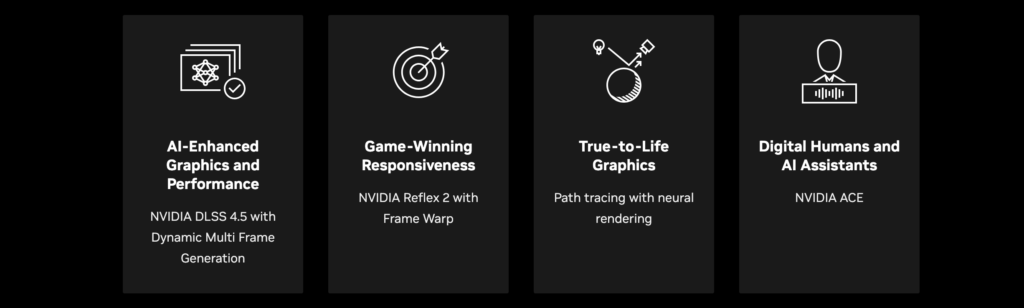
Yes. If released, RTX 50 SUPER GPUs are expected to support:
- DLSS 4
- Multi Frame Generation
- Ray Tracing
- Neural Rendering
- NVIDIA Reflex
These are already available on the RTX 50 Series platform.
12. What is the expected RTX 50 SUPER price in India?
Estimated pricing based on current RTX 50 Series models:
| GPU | Expected India Price |
|---|---|
| RTX 5060 SUPER | ₹35,000 – ₹45,000 |
| RTX 5070 SUPER | ₹65,000 – ₹80,000 |
| RTX 5070 Ti SUPER | ₹90,000 – ₹1,10,000 |
| RTX 5080 SUPER | ₹1,25,000 – ₹1,60,000 |
Actual launch prices may differ significantly.
13. What is the expected RTX 50 SUPER price in the United States?
Estimated launch pricing:
| GPU | Expected US Price |
|---|---|
| RTX 5060 SUPER | $349 – $449 |
| RTX 5070 SUPER | $649 – $749 |
| RTX 5070 Ti SUPER | $849 – $999 |
| RTX 5080 SUPER | $1,099 – $1,299 |
14. Will RTX 50 SUPER graphics cards support 4K gaming?
Yes. The RTX 5070 Ti SUPER and RTX 5080 SUPER are expected to be excellent choices for:
- Native 4K gaming
- Ray tracing
- DLSS-enhanced gaming
- High refresh-rate gaming
15. Are RTX 50 SUPER cards good for AI workloads?
Yes. The additional VRAM is expected to make these GPUs more attractive for:
- Local AI models
- Generative AI
- LLM inference
- Stable Diffusion
- AI-assisted video editing
- Machine learning projects
16. What power supply will I need for RTX 50 SUPER GPUs?
Expected recommendations:
| GPU | Recommended PSU |
|---|---|
| RTX 5060 SUPER | 550W–650W |
| RTX 5070 SUPER | 650W–750W |
| RTX 5070 Ti SUPER | 750W–850W |
| RTX 5080 SUPER | 850W–1000W |
17. Will RTX 50 SUPER use new 3GB GDDR7 memory modules?
According to current leaks, yes. NVIDIA may use new 3GB GDDR7 memory chips instead of traditional 2GB modules. This would allow memory capacities such as:
- 12GB
- 18GB
- 24GB
without changing memory bus configurations.
18. Should I buy RTX 5080 now or wait for RTX 5080 SUPER?
If you need a GPU immediately, the RTX 5080 remains an excellent option. However, users interested in:
- AI development
- Heavy content creation
- Long-term future-proofing
may benefit from waiting for the RTX 5080 SUPER and its rumored 24GB VRAM.
19. Will RTX 50 SUPER laptops also launch?
There is currently no official confirmation. However, if desktop RTX 50 SUPER GPUs are released, laptop versions may eventually appear in gaming laptops and creator laptops from:
- ASUS
- MSI
- Lenovo
- Dell
- HP
20. Is the RTX 50 SUPER series officially confirmed by NVIDIA?
No. As of now, NVIDIA has not officially announced the RTX 50 SUPER series. All specifications, pricing, release dates, and performance figures currently circulating online are based on industry leaks, reports, and rumors. Users should wait for an official NVIDIA announcement before making purchasing decisions.

